
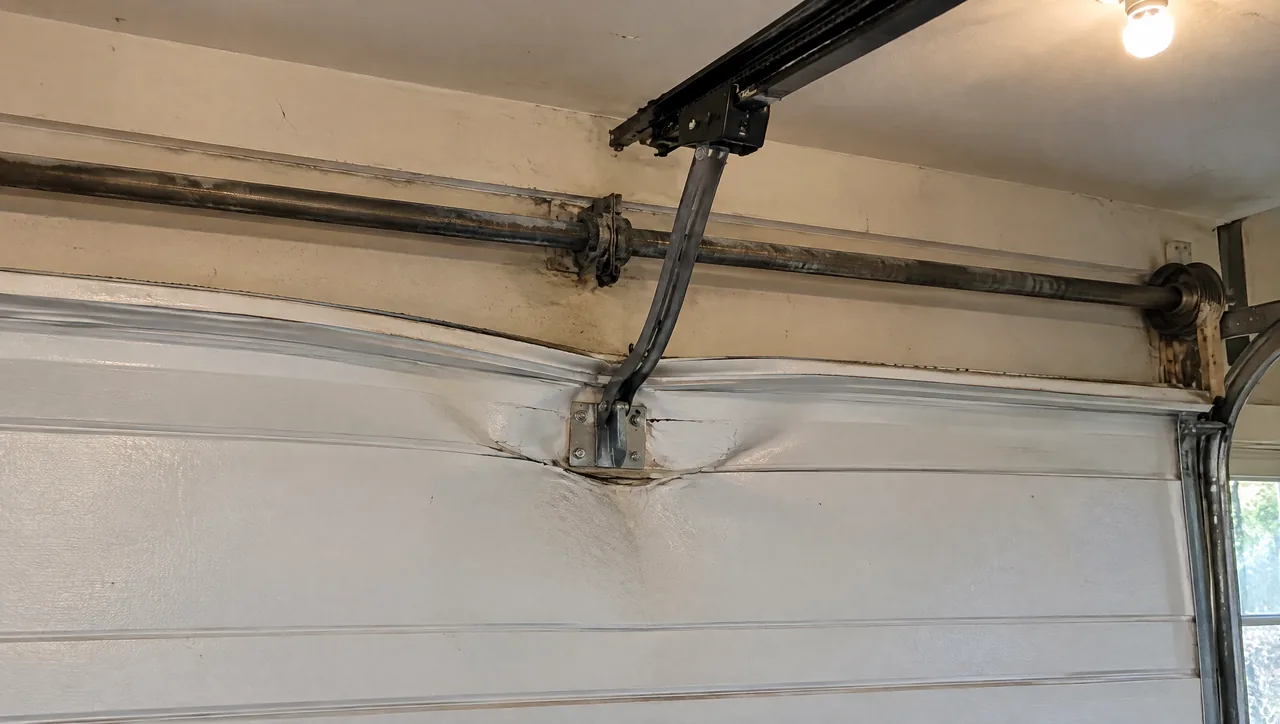
How to Tell a Garage Door Spring Is Broken
The sounds, sights and door behaviour that point to a broken garage door spring, how to check safely from a distance, and what to do next.
Practical answers to the questions homeowners ask before and after a garage door repair, written for South Florida homes.
The sounds, sights and door behaviour that point to a broken garage door spring, how to check safely from a distance, and what to do next.
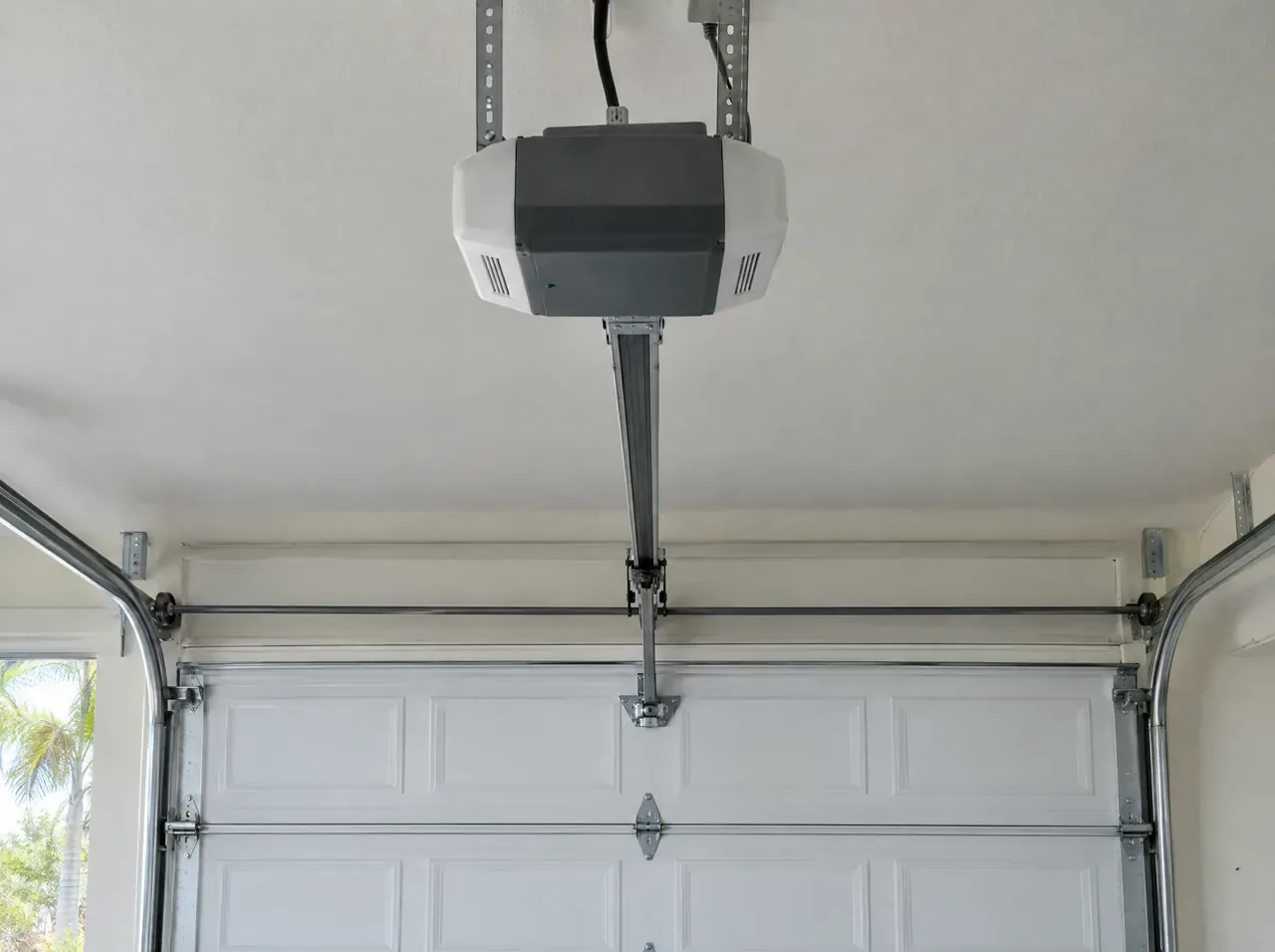
What a humming opener is telling you, the four usual causes, and which ones you can safely check yourself.
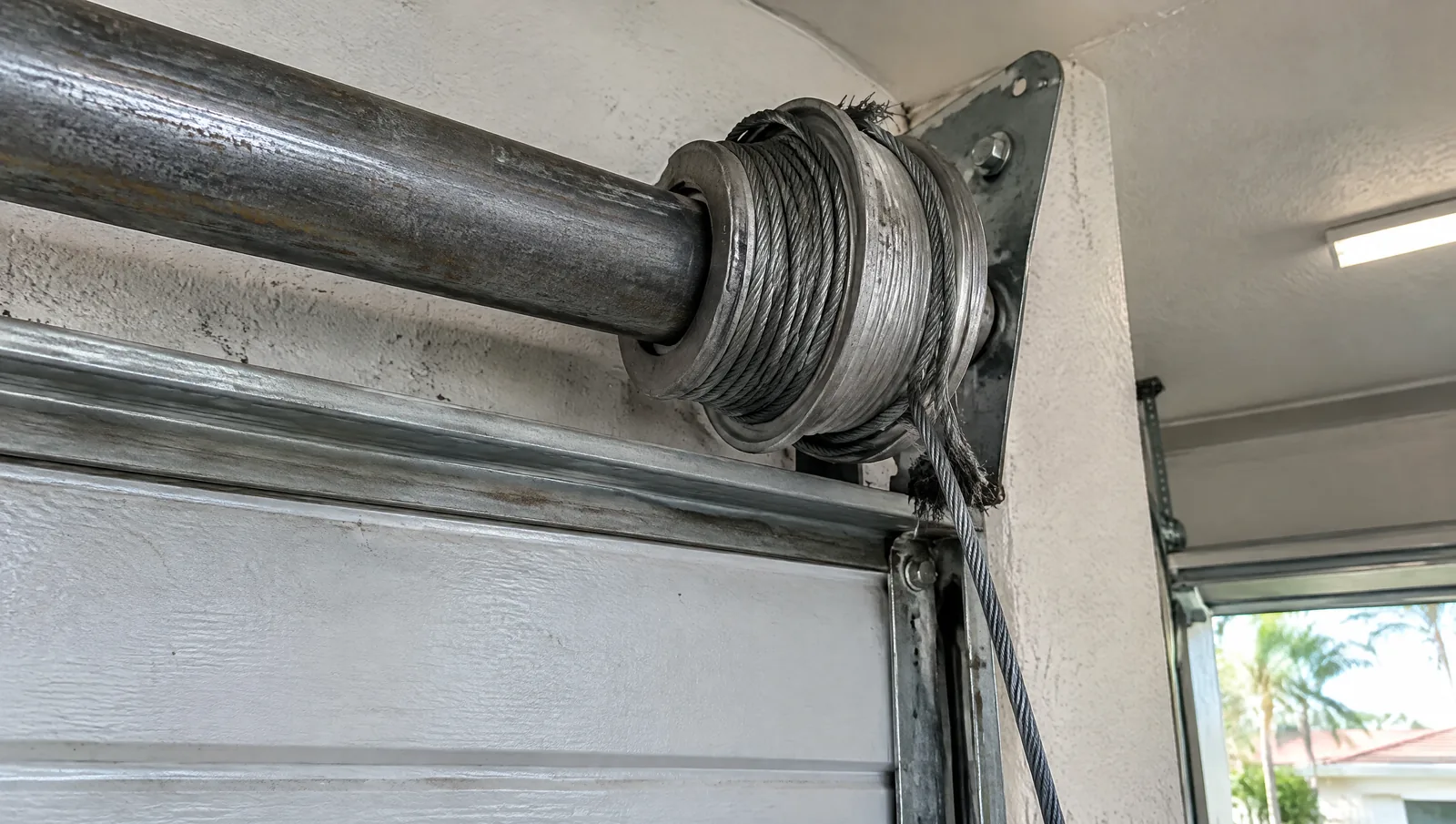
How lift cables carry the door, what makes them fray, and why a loose or broken cable is never a do-it-yourself fix.
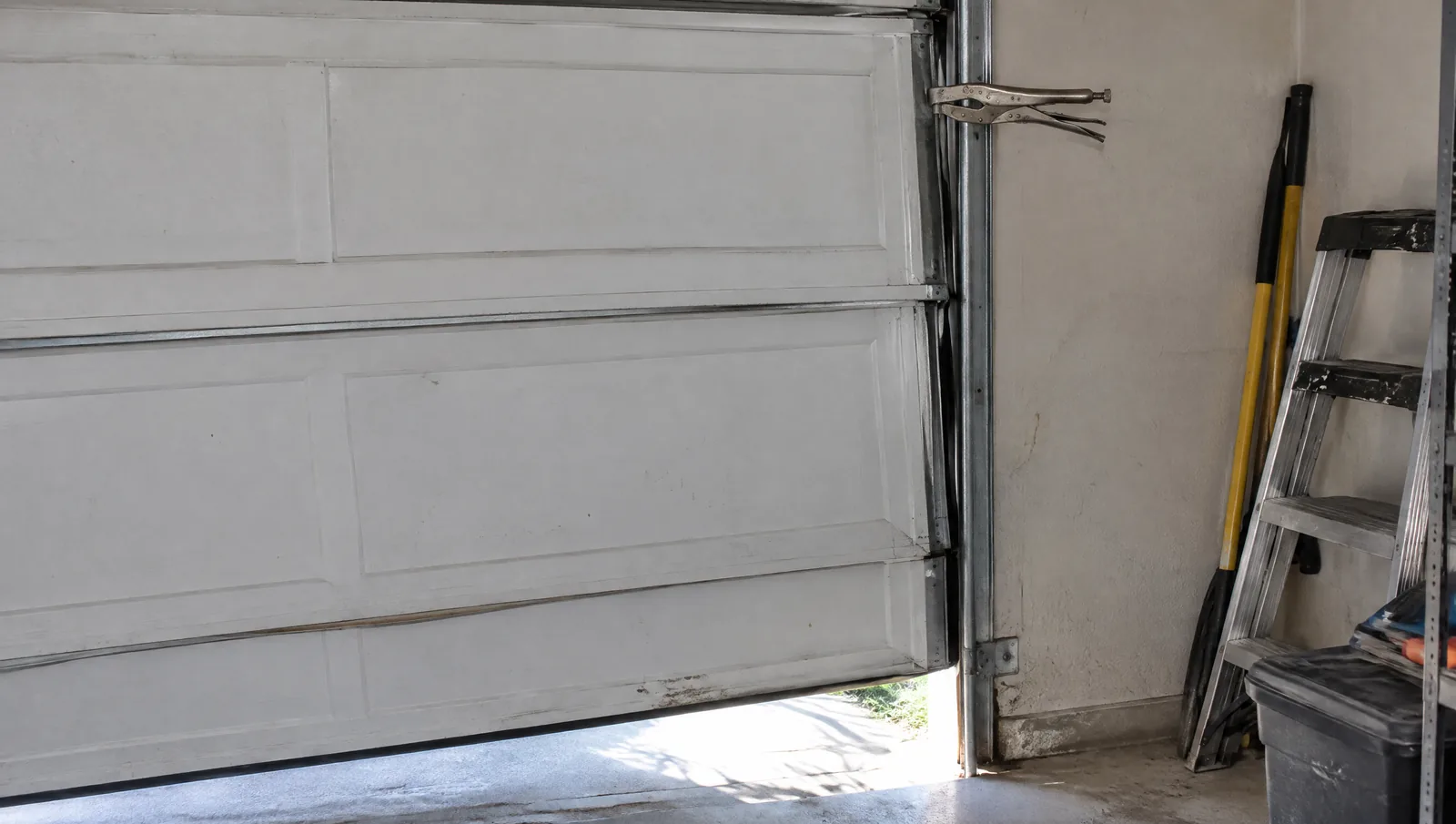
The first five minutes after a door jumps its track: what to do, what to avoid, and what usually caused it.
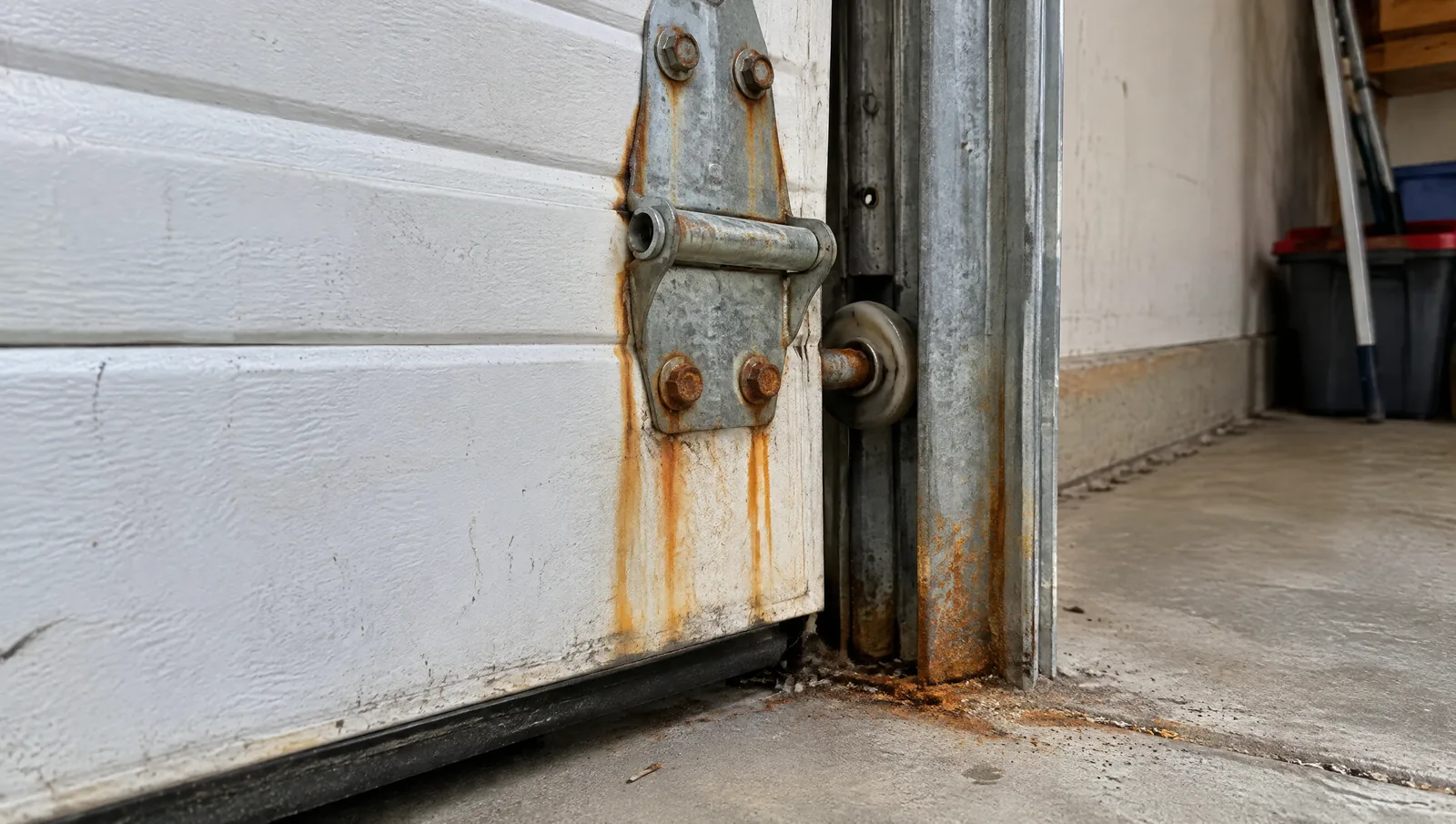
How salt in coastal air attacks the steel parts of a garage door, and a simple routine for catching rust early.
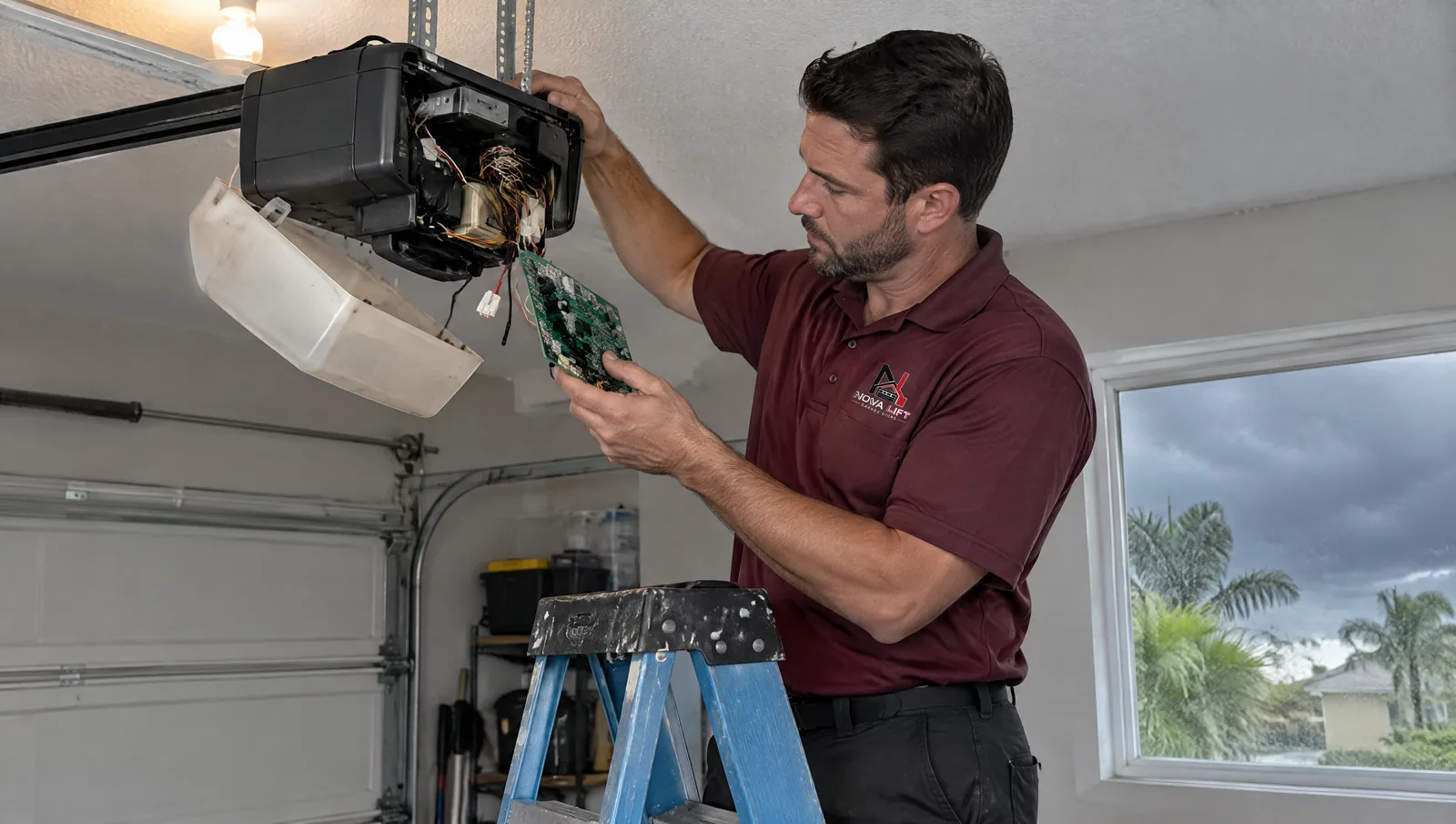
What a power surge does to an opener's electronics, and how to decide between repairing the damaged part and replacing the unit.
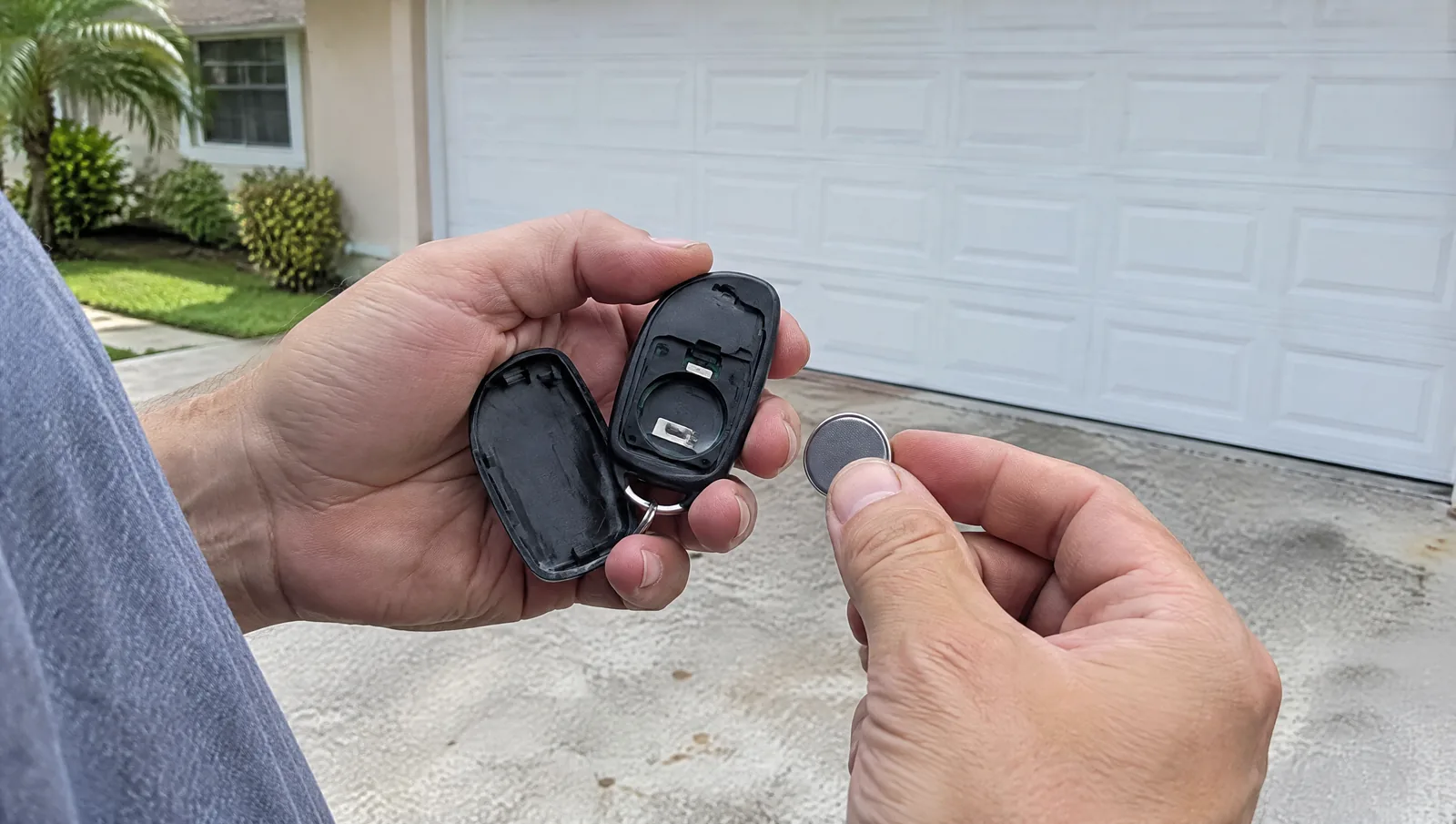
A step-by-step way to find out why a garage door remote has stopped working, from the battery to reprogramming.
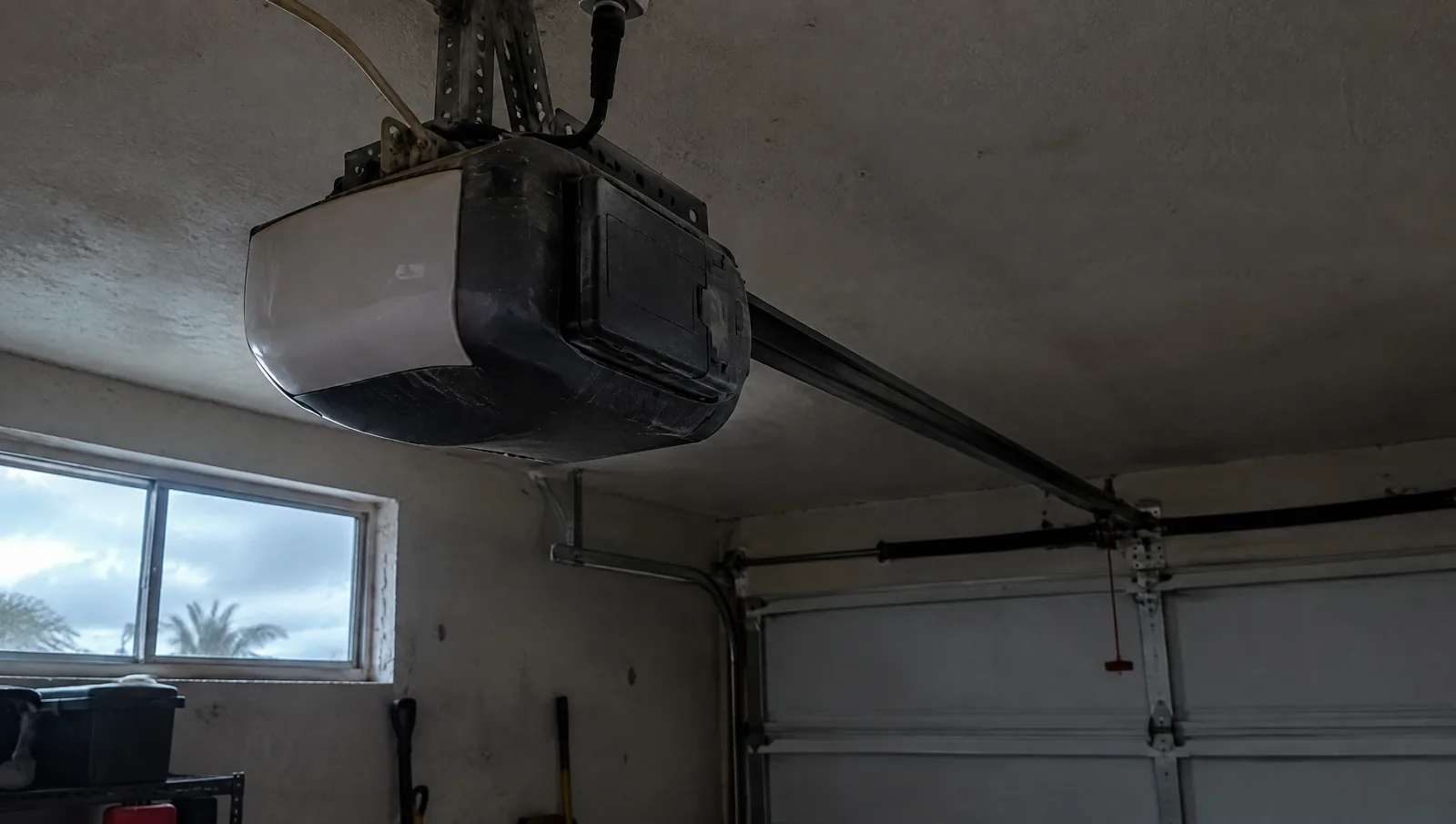
How opener battery backups work, how to test one before June 1, and what to plan for when the battery runs out.
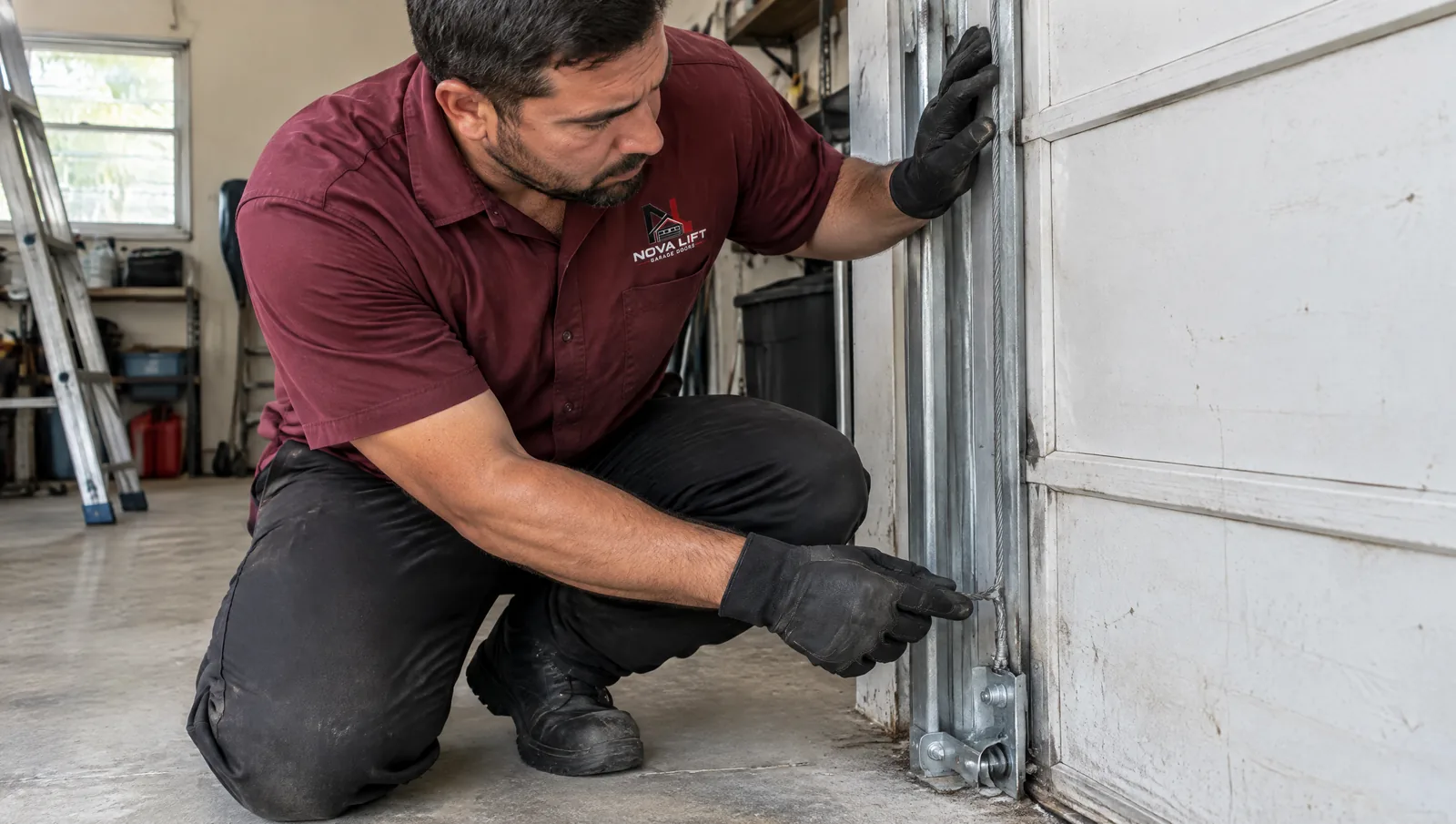
The checks and adjustments a thorough garage door tune-up covers, and how to tell whether a visit actually did them.
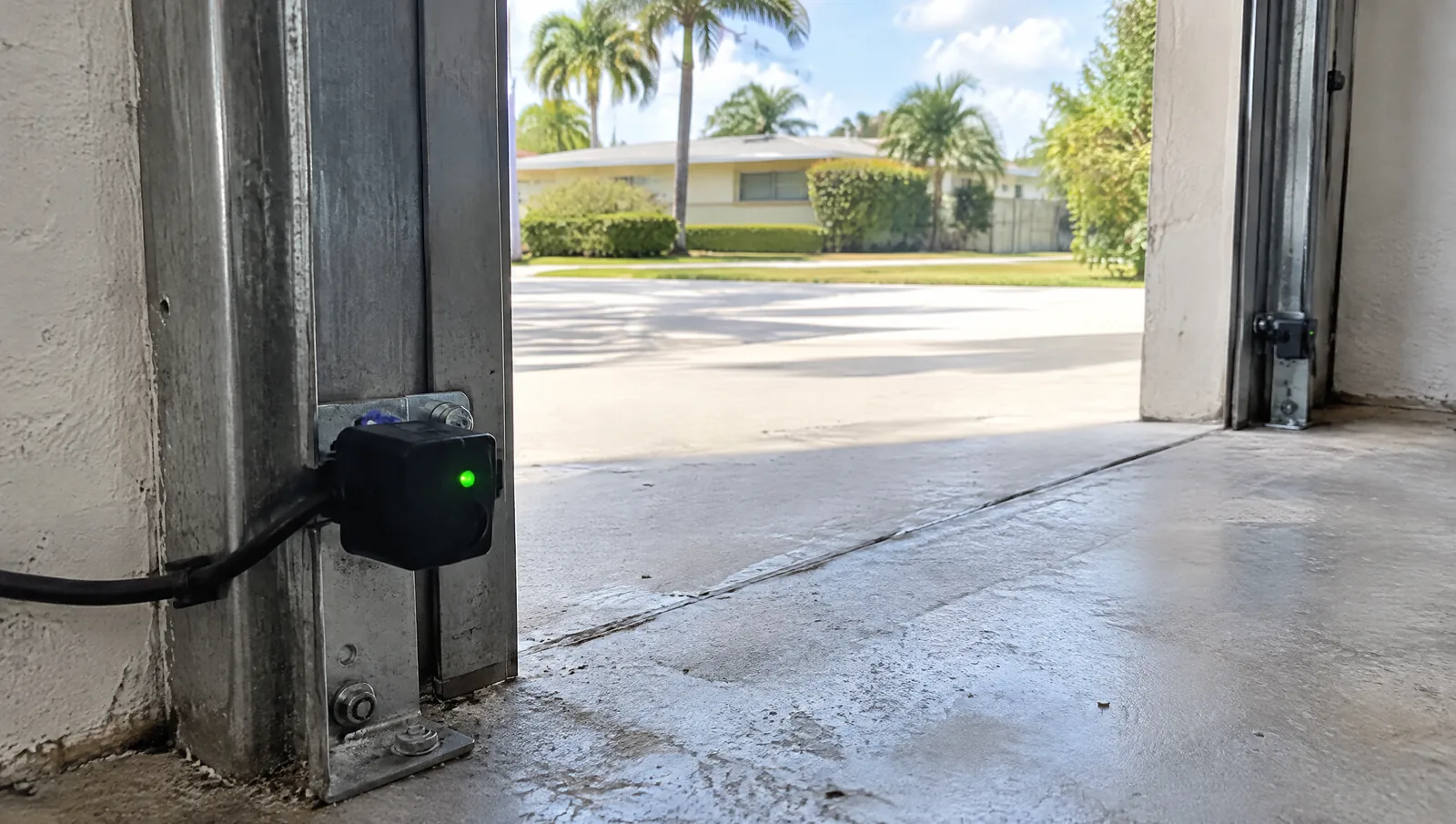
How garage door safety sensors work, why they make a door reverse, and how to tell a sensor fault from a force or track problem.
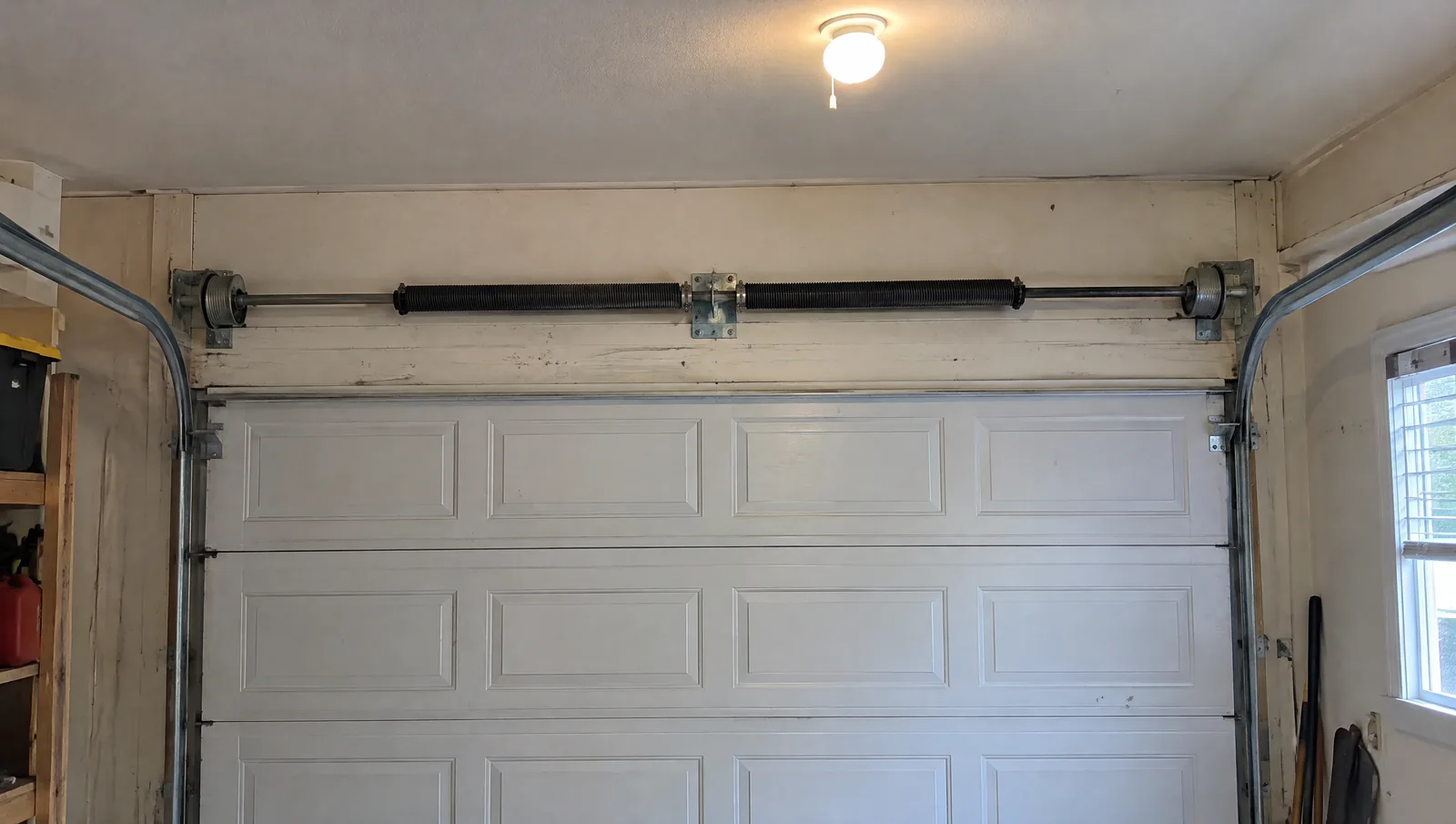
How to identify extension and torsion springs at a glance, how each one lifts a door, and why the difference matters at repair time.
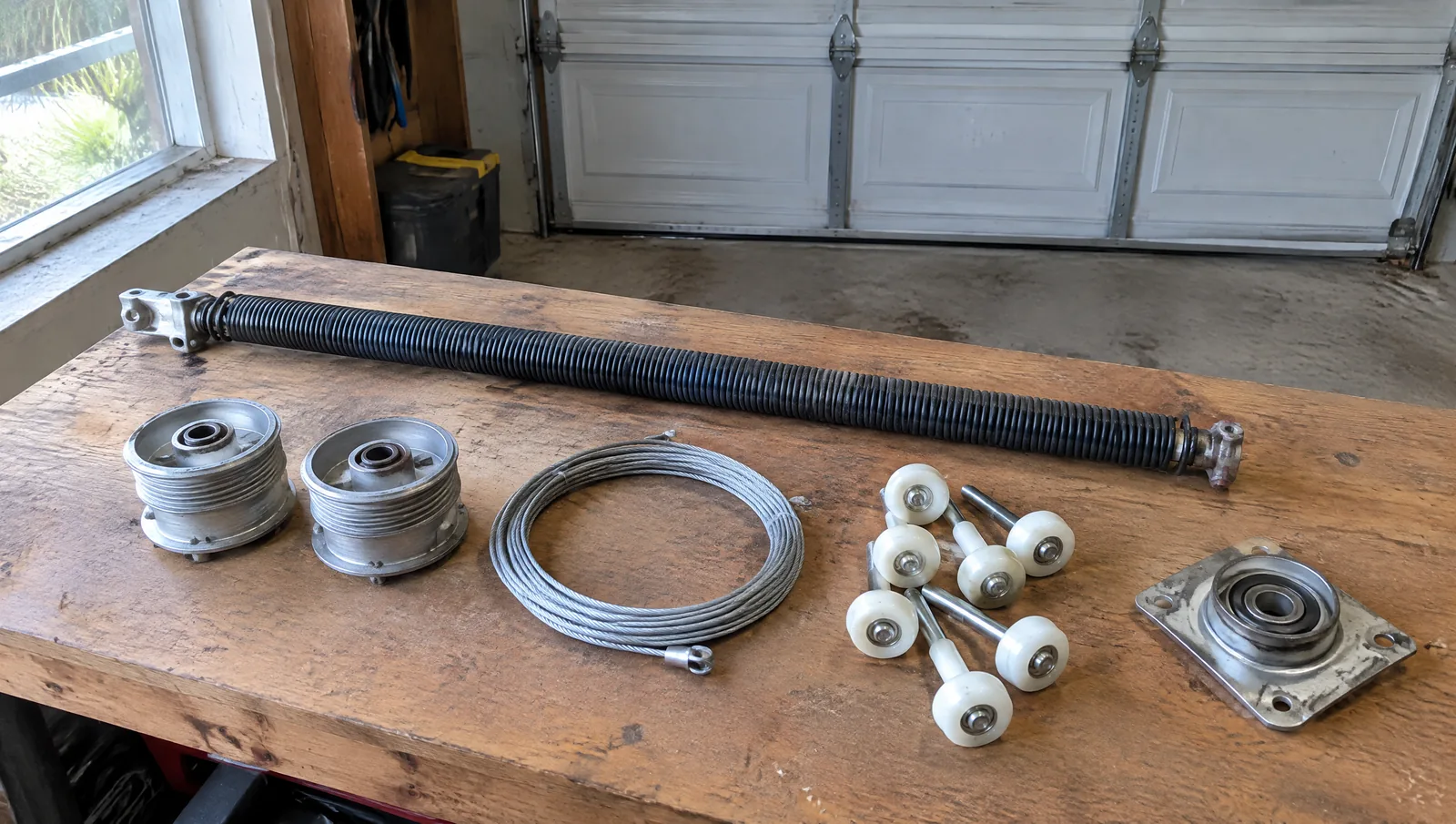
The real factors behind a garage door repair bill, and what makes one repair cost more than another, with pointers to national cost ranges.
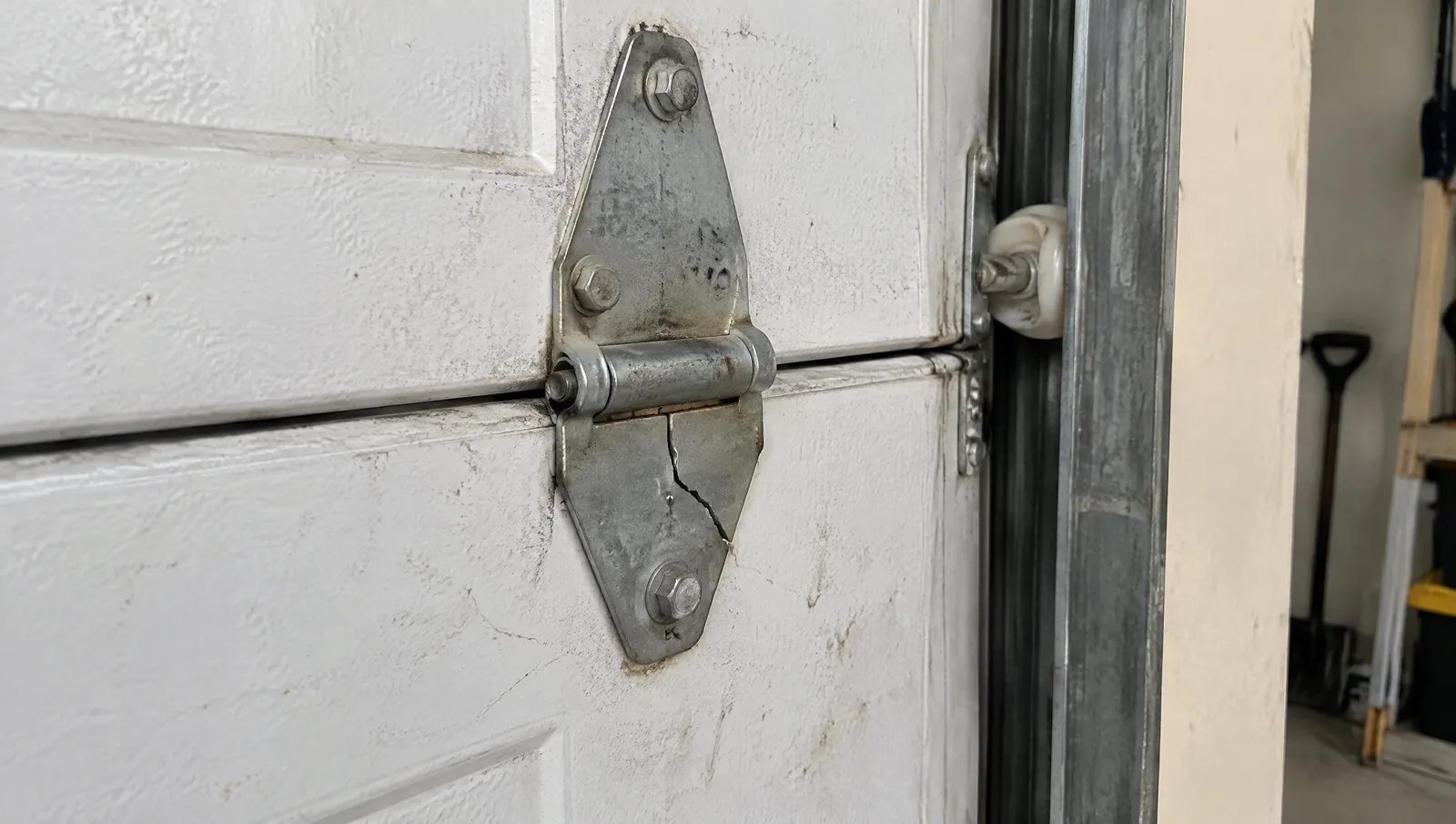
A sound-by-sound guide to garage door noises, what usually causes each one and which ones mean the door should not be used.
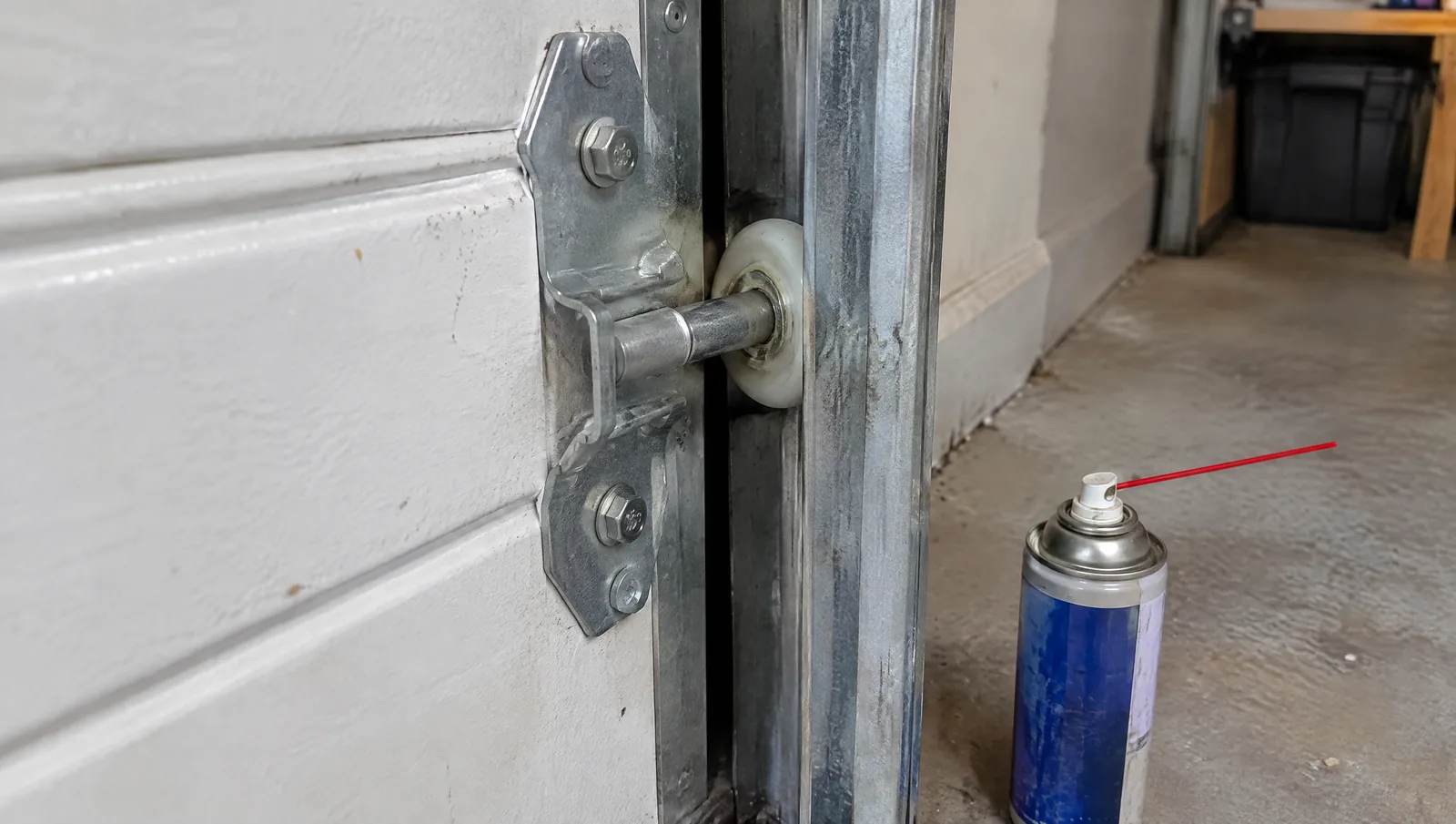
A homeowner's guide to lubricating a garage door: the parts that need oil, the parts that should stay dry, and the safe way to do it.
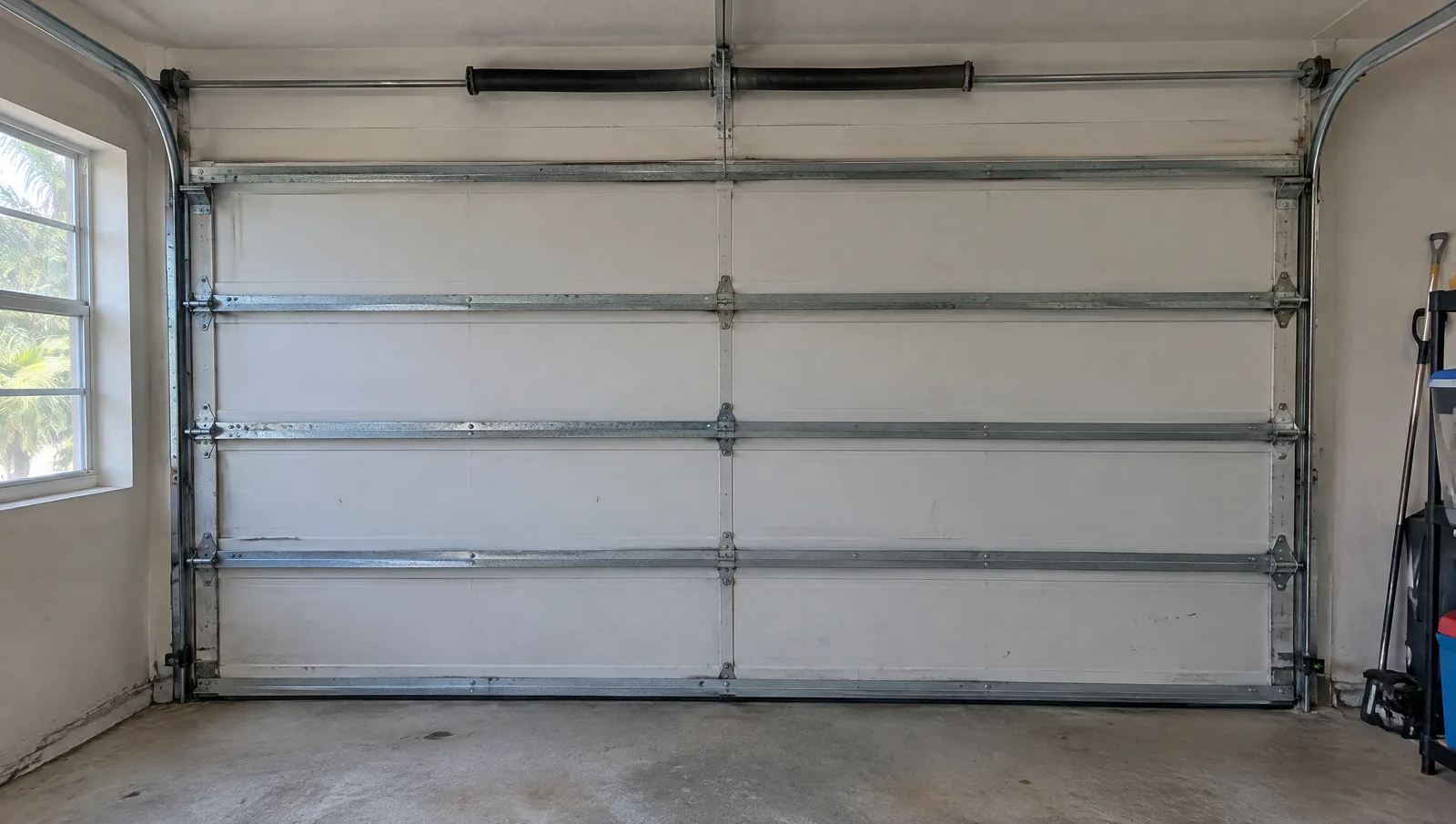
How to find and read the product approval label on a South Florida garage door, and what its design pressure and NOA number mean.
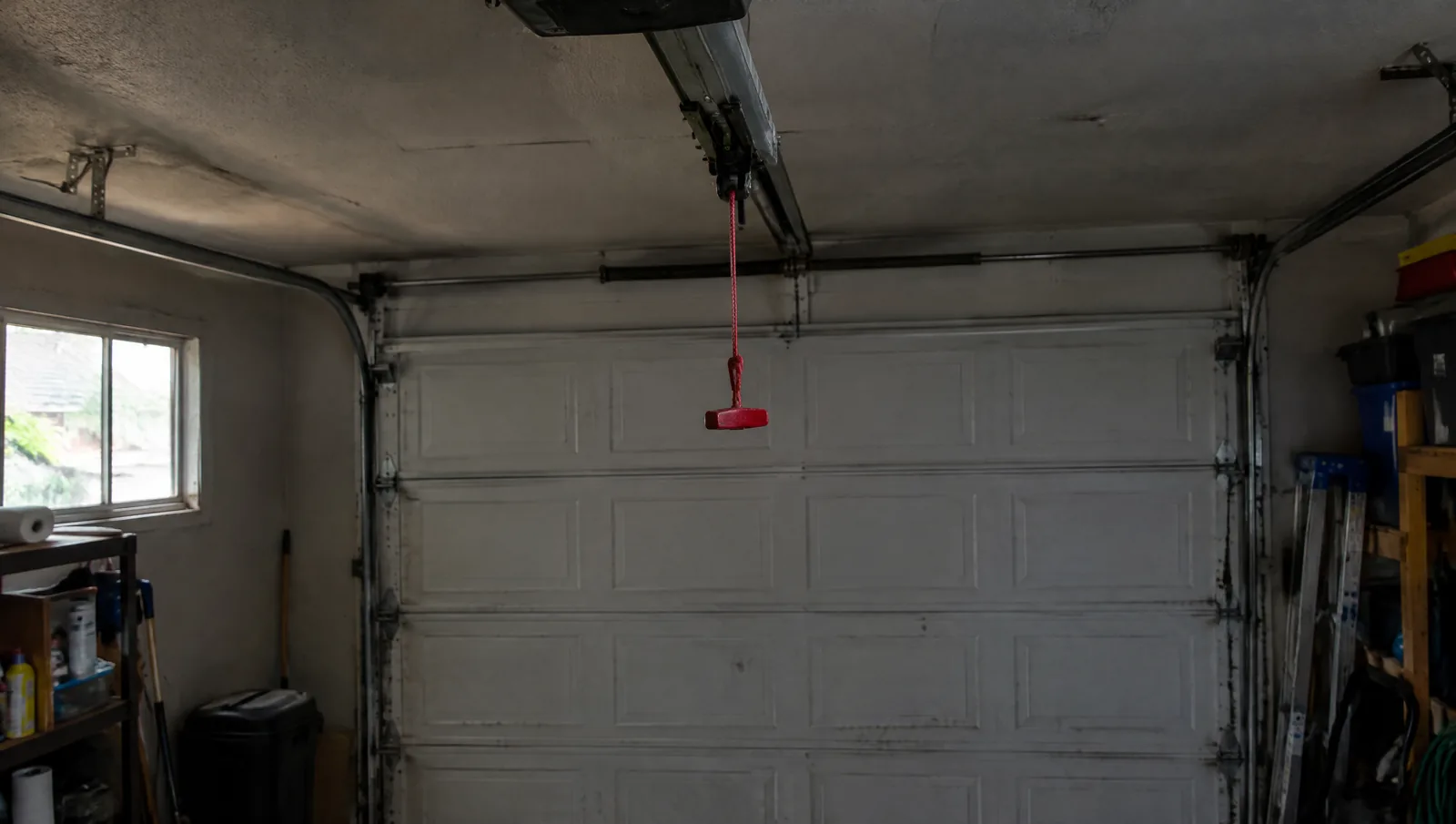
How to use the red emergency release safely during a power outage, and how to reconnect the opener when the power returns.
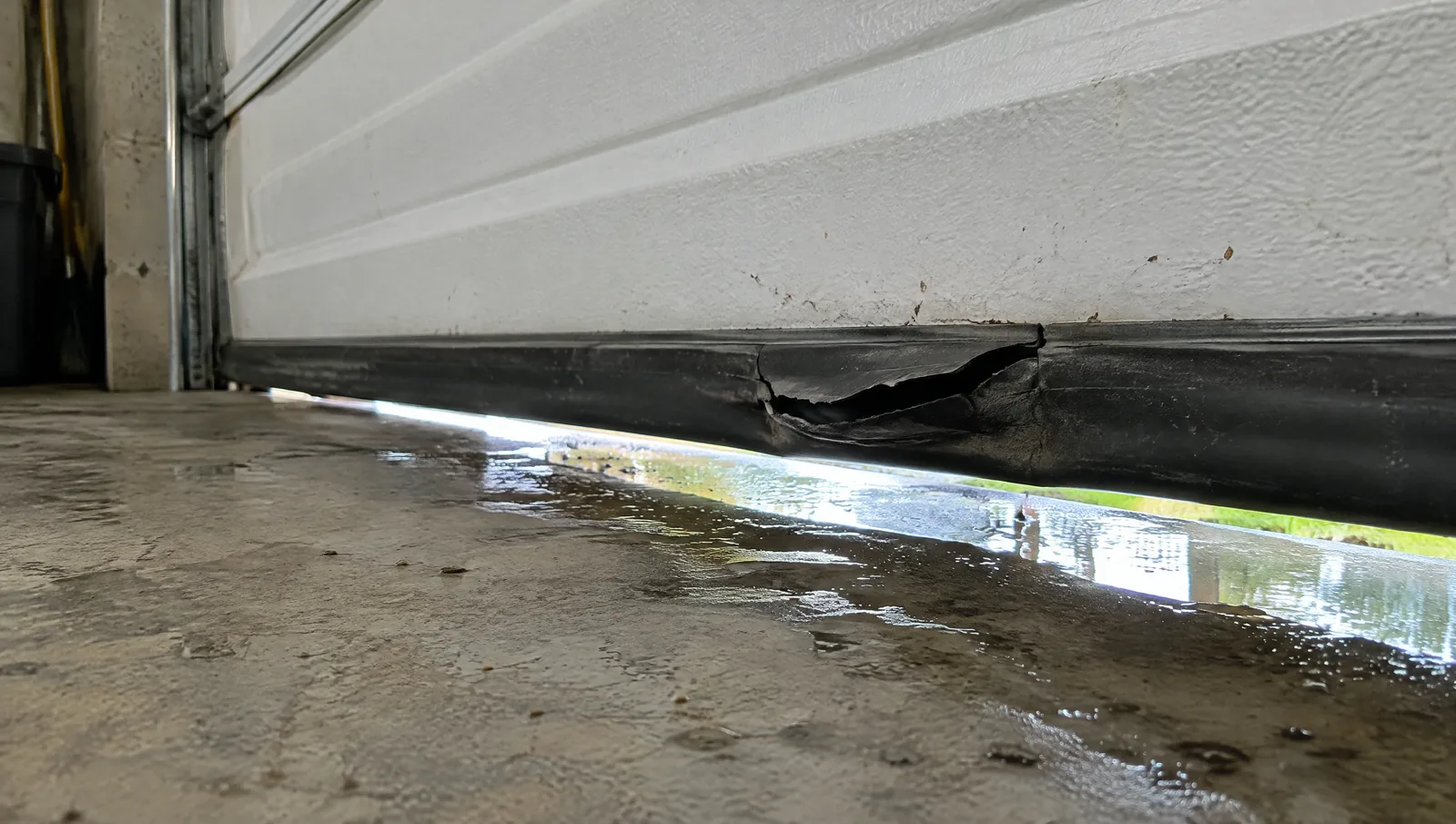
What a worn bottom seal looks like, why some gaps under the door are not the seal's fault, and how replacement works.
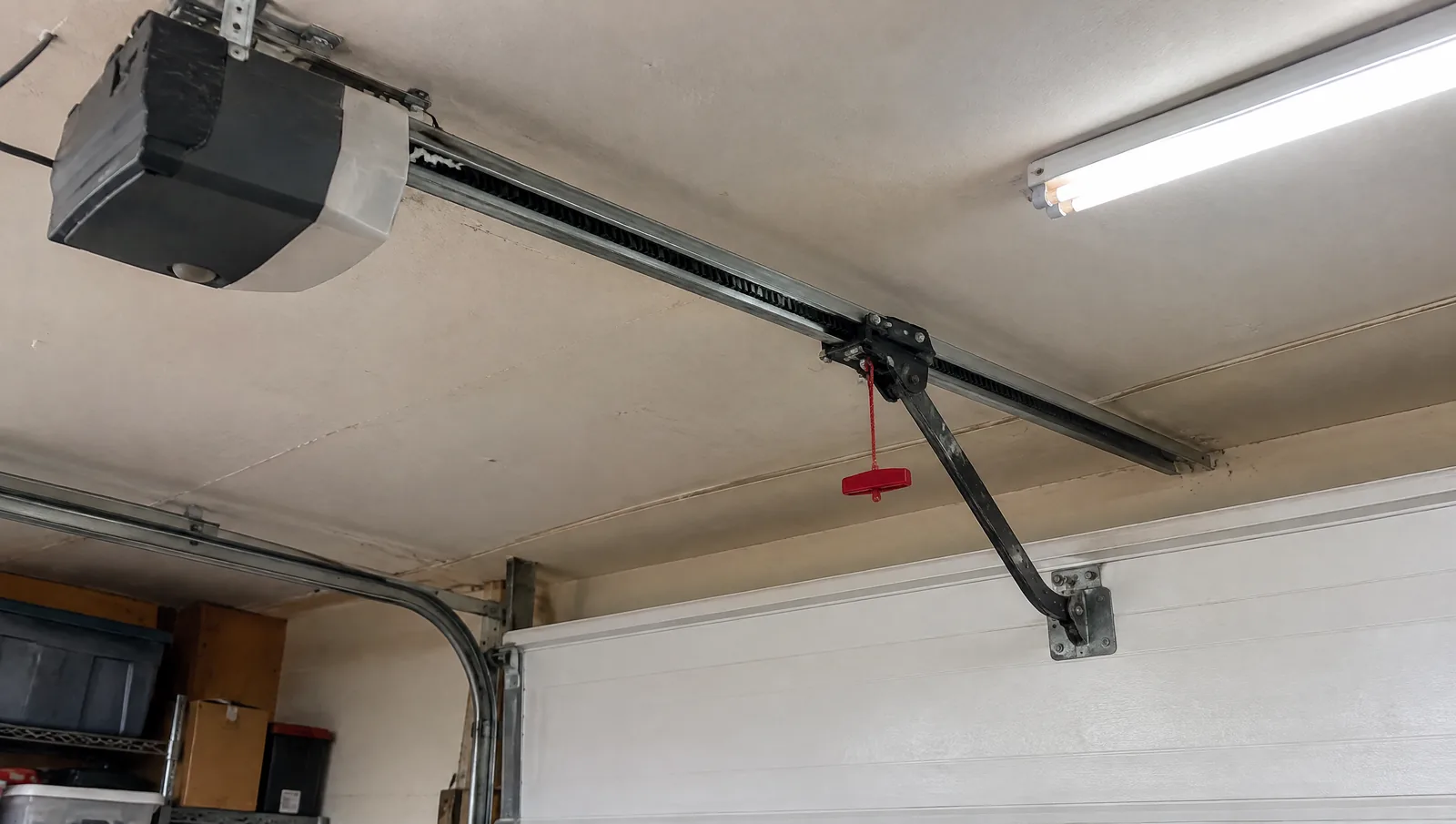
How the main opener drive types differ, and the questions that decide whether an old opener is worth repairing.
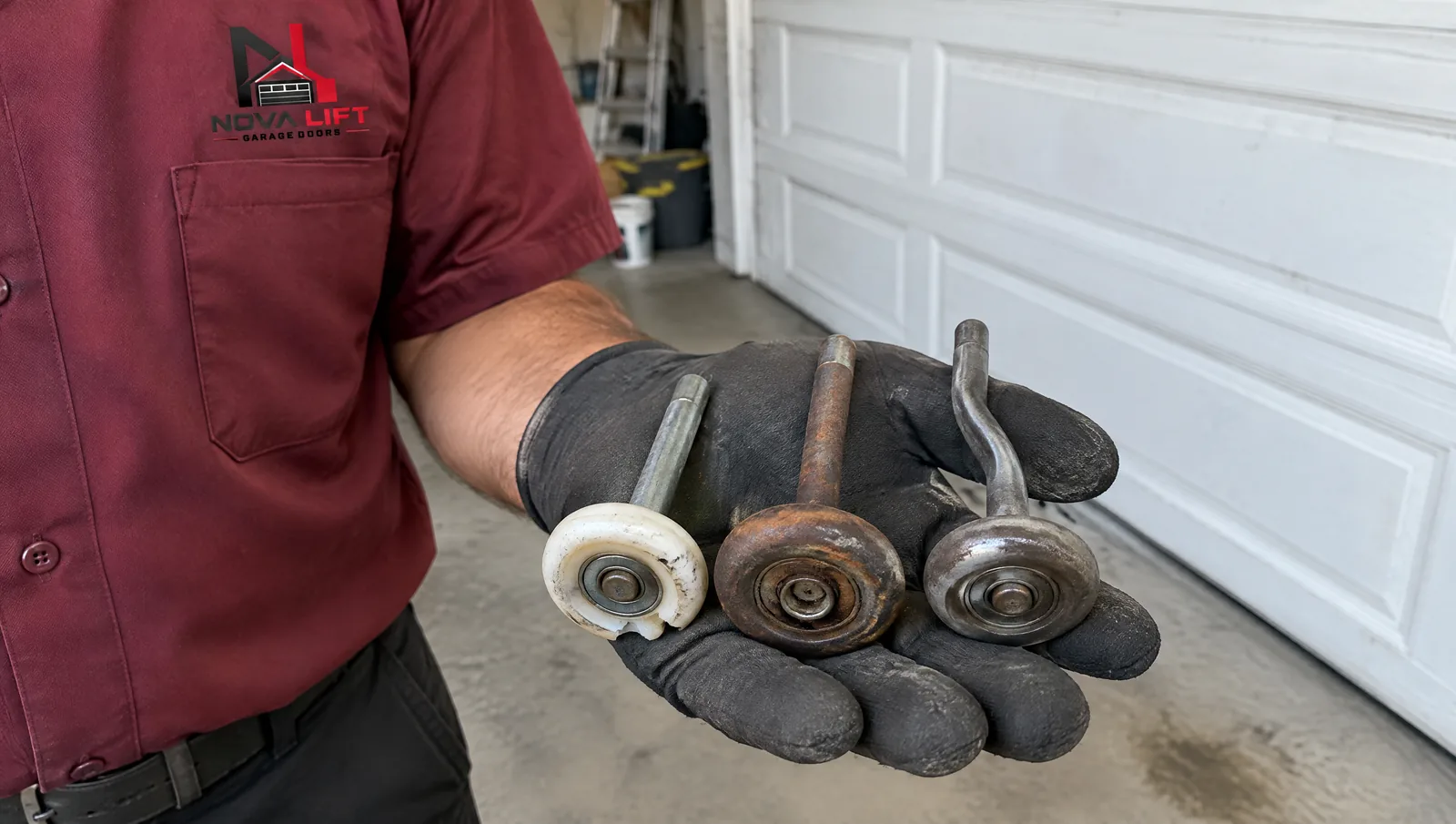
How to spot worn garage door rollers by sound and sight, and why ignoring them can lead to a door coming off its track.
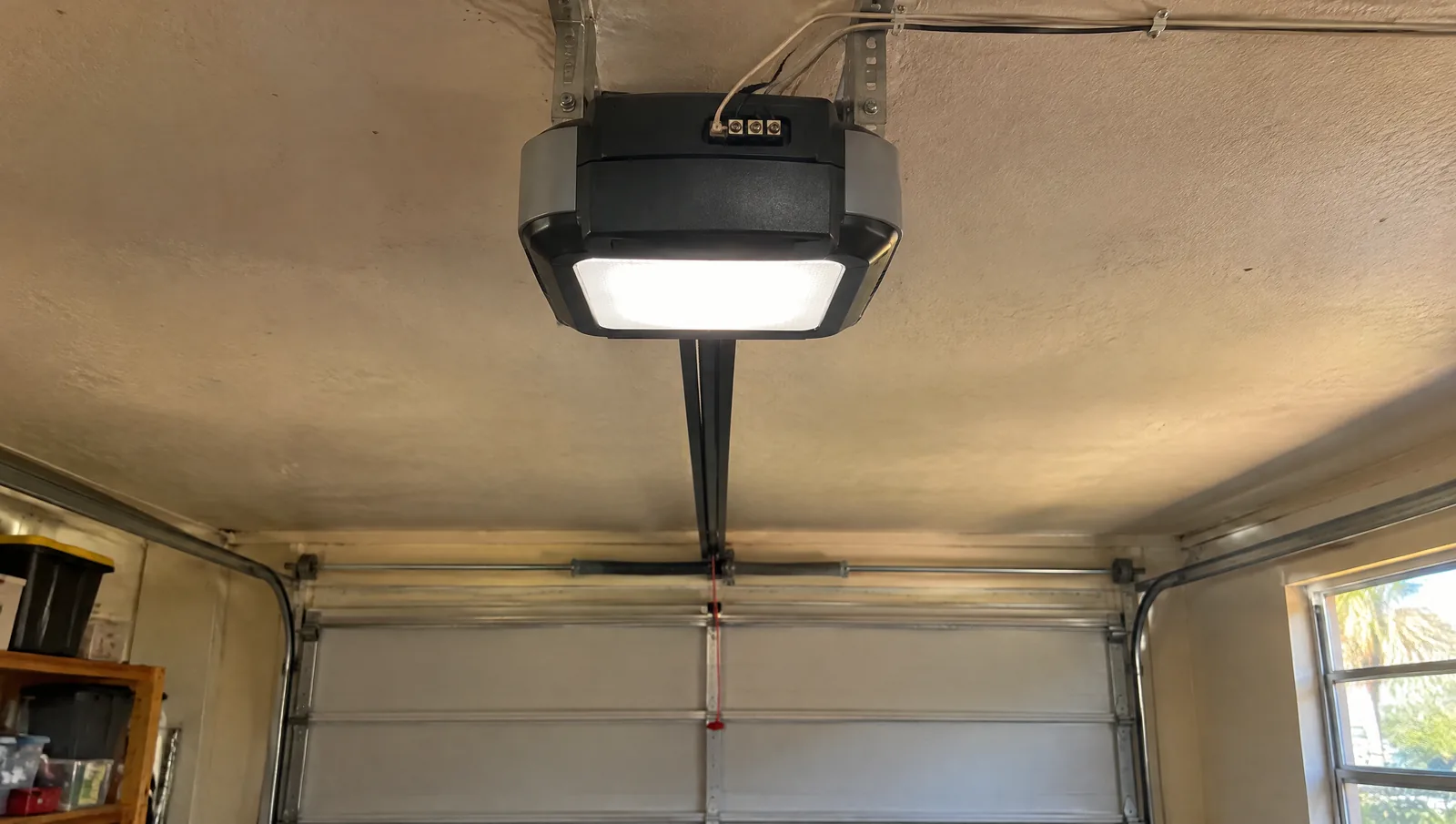
What a hot, damp garage does to an opener's motor, sensors and wiring, and the seasonal checks that help.
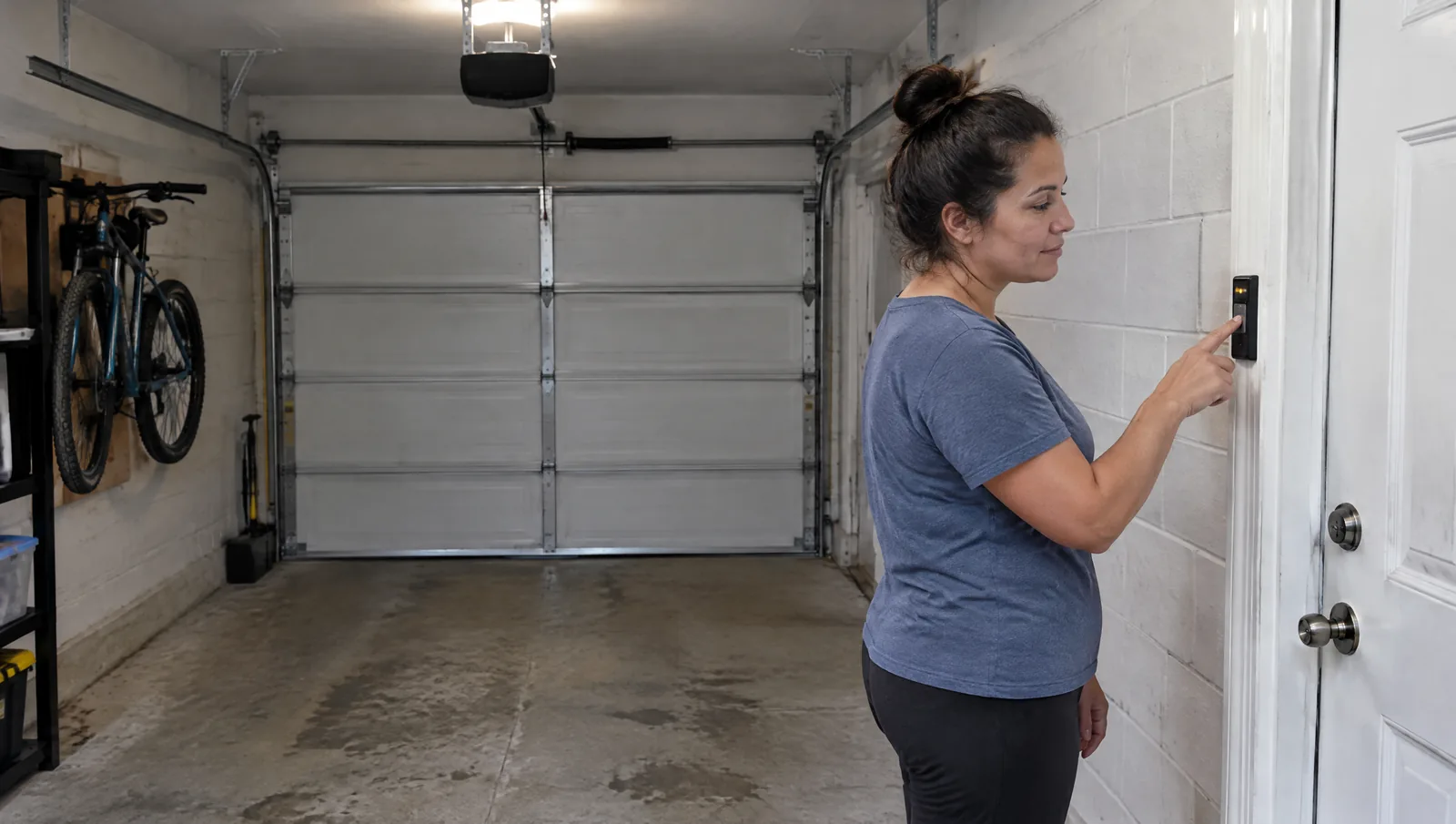
How shared walls, rooms overhead, association rules and coastal air change the way a townhome garage door should be looked after.
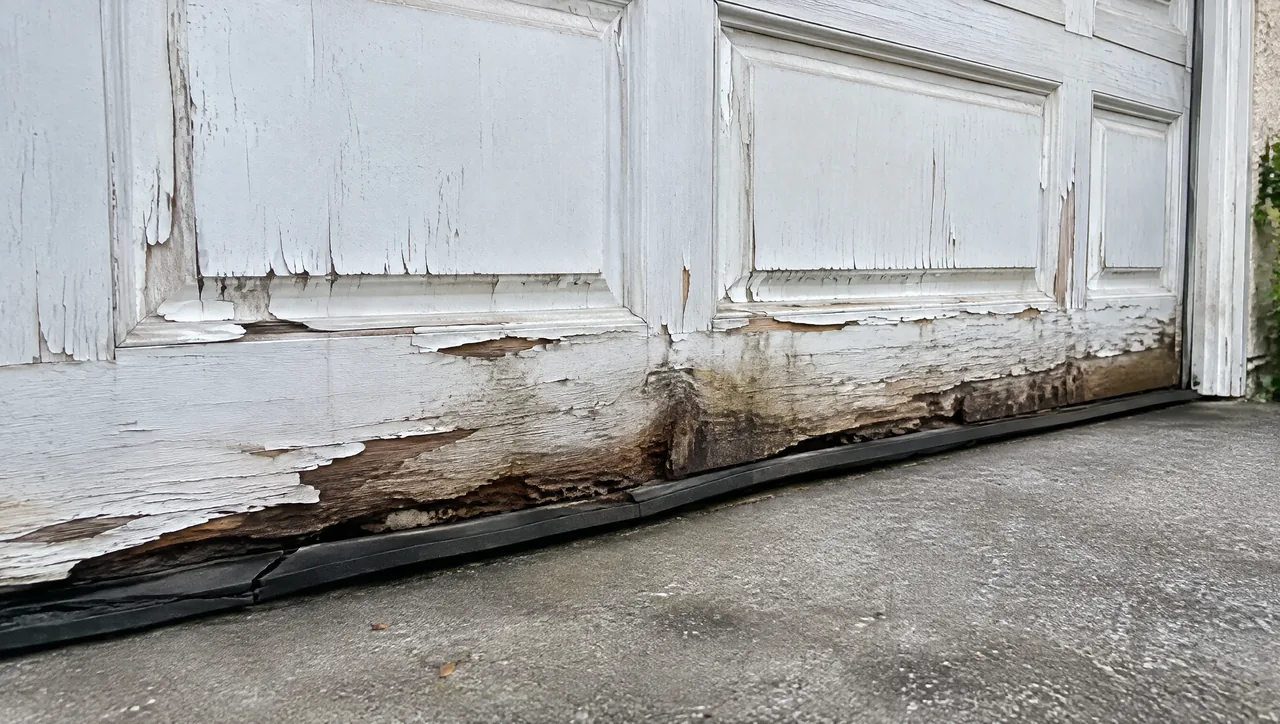
Which garage door problems are usually worth fixing, the signs an old door is ready to go, and what a replacement involves in South Florida.
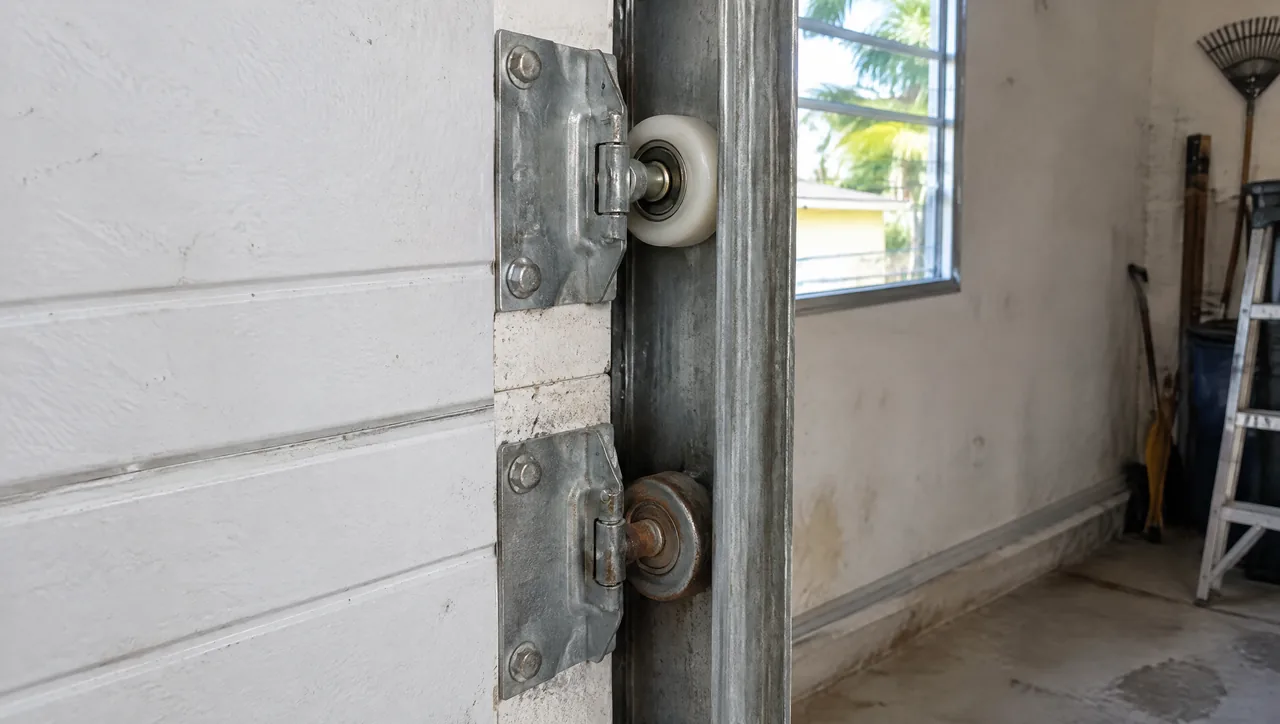
How nylon and steel rollers are built, where each one makes sense, and what to check before choosing a replacement set.
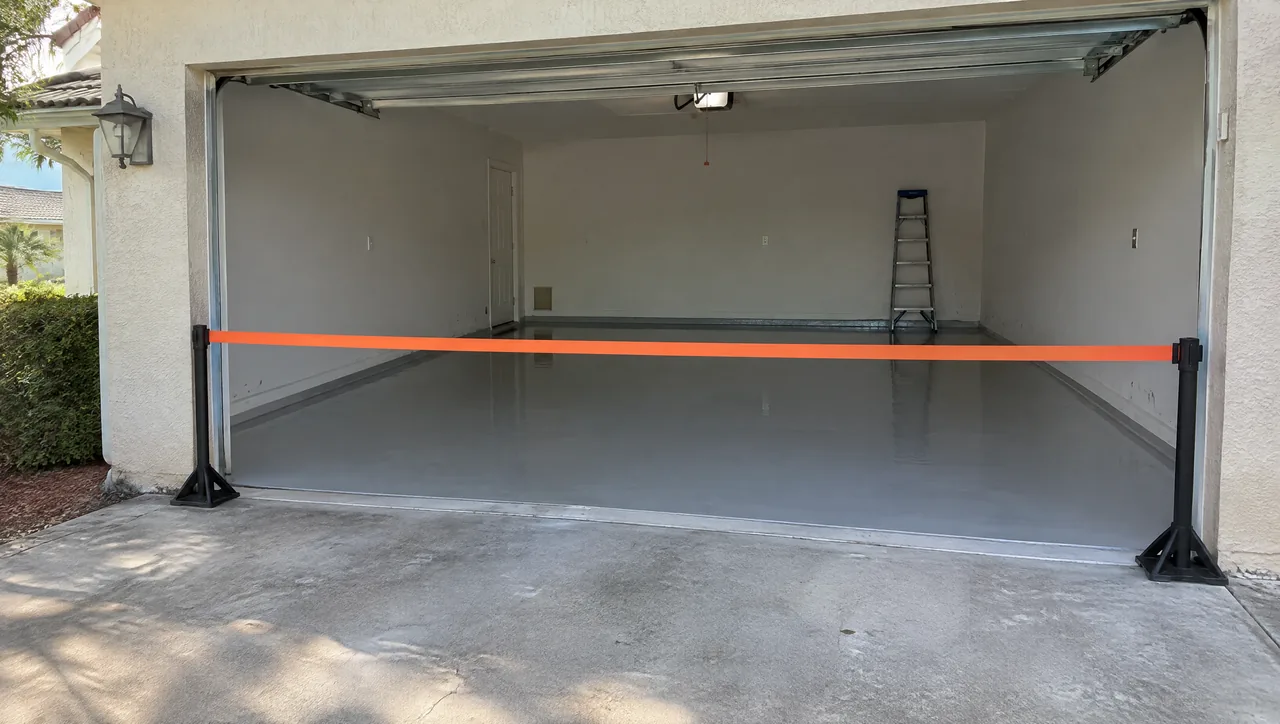
What one product's data sheet says about cure times, why other systems differ, and how humidity, prep and the garage door affect a new floor.